I haven’t been able to keep up with writing blog posts about my AI-supported coding projects the last weeks, so I decided to make a list instead. I’d love to hear your feedback and ideas.
I’m fully aware of the limitations, downsides and risks, however my personal wow-moment with AI-supported coding still hasn’t faded. Working on small side projects in the evening feels a bit like 2005 again. The best part is how much I’m learning left and right, especially when it comes to seeing the bigger landscape of coding. This new AI powered world has pushed me into all kinds of areas, from Amazon Alexa skills to Office Scripts and connecting physical triggers to code. It feels a bit like riding my seven different types of bicycles: you won’t become a world champion, but it’s a lot of fun.
Business
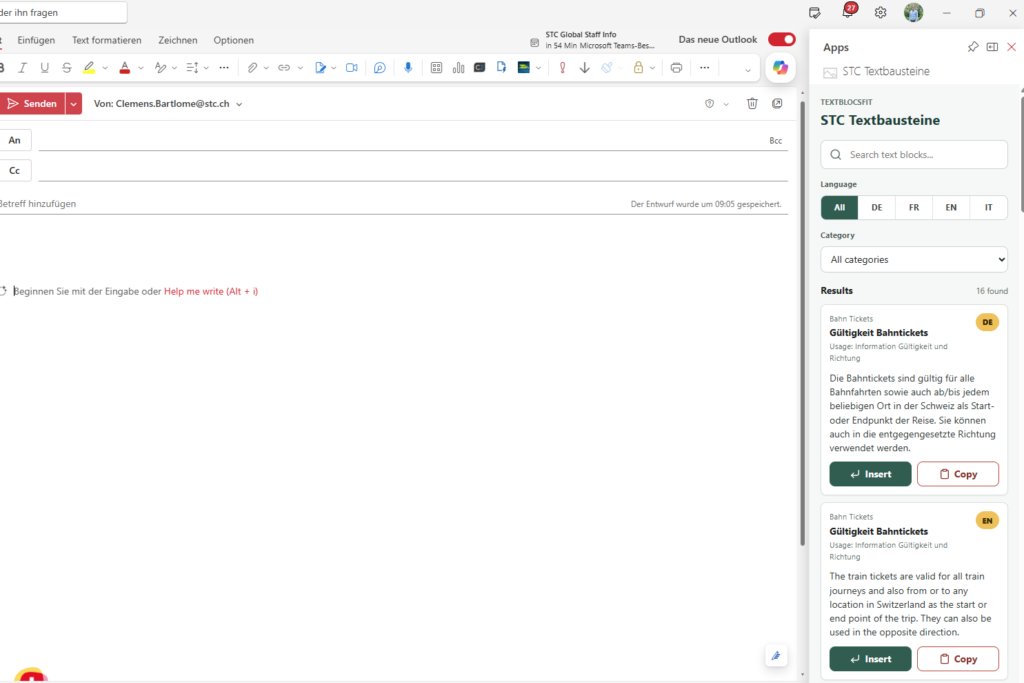
Text Bloc Outlook add-in
My sales team used to work with a huge Excel sheet full of email text blocks for client communication. Outlook templates never really worked for this use case as they have to combine different blocs.
With help from Codex, I built an Outlook add-in that lets them quickly search for and insert the right text blocks.
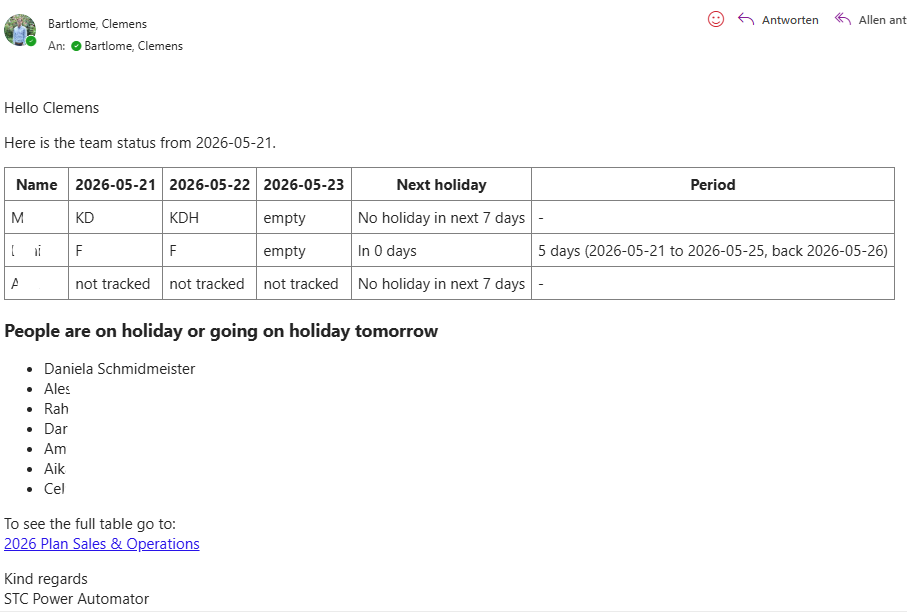
Who is in the office today?
My teams use a shared Excel file to show whether they are in the office, at home, or on holiday. It works well for a quick overview (better then our time toggle tool), but I was too lazy to open it and kept asking, “Are you in the office today?”
They did not like it ;) So, I combined an Office Script with Power Automate. The script reads the Excel file surprisingly well, even with all the notes and descriptions in it, and I get an email every morning with the staff status for today and the next few days. Again: Highly customized :)
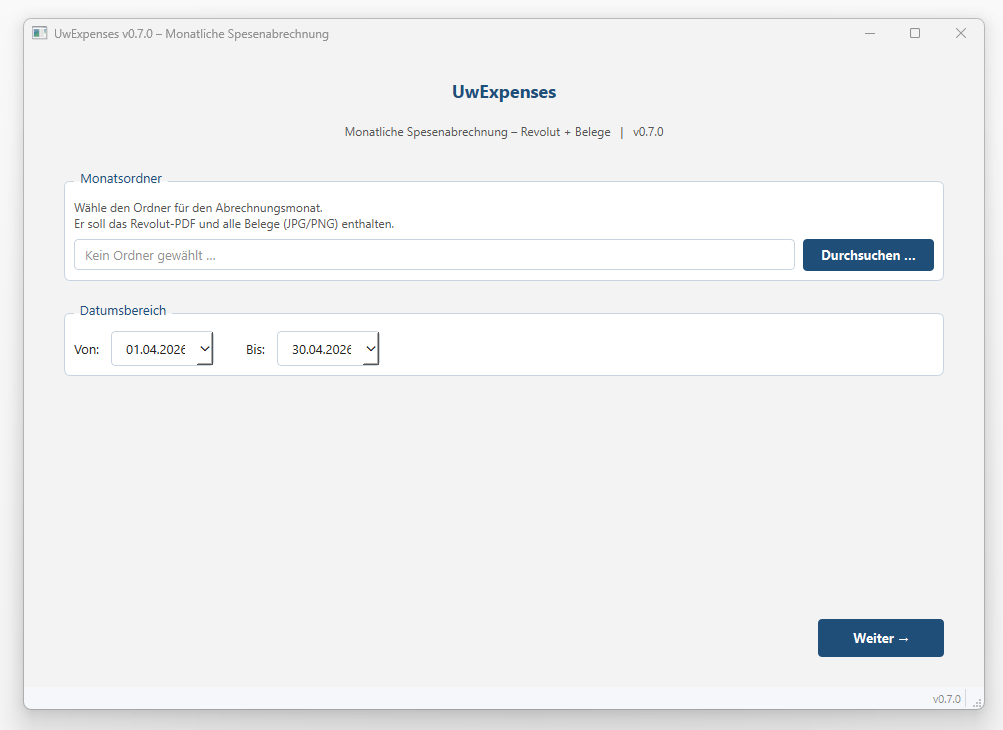
Expenses
This was a big one for me as I am lazy with expenses. Using Claude Code, I built a highly customized Python tool that runs OCR on photos of receipts and extracts data such as amount and category. I can then quickly review each receipt before the tool creates a clean Excel file (template) with all relevant data. Best of all, it combines all receipts into one PDF, complete with numbering and color coding. This tool will eventually be replaced by an automated expenses tool, but until then it saves me hours of messy work.
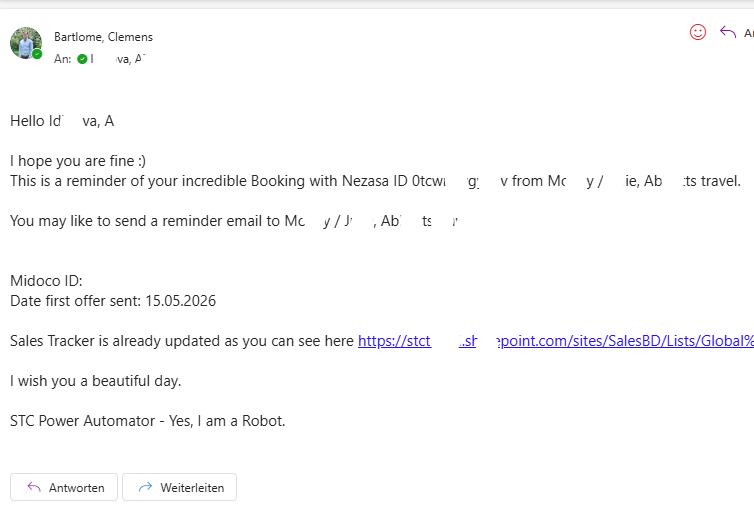
Sales reminder
This one is very simple and I just add this here to show how easy automation is in daily business without heavy SaaS tools. Our sales team tracks leads in a SharePoint list and they asked for an email reminder if a lead is not followed up. A simple Power Automate flow does the job perfectly, and probably even better than many lead-tracking tools, because I can customize the email layout and content in minutes. There are dedicated tools for this, of course, but with the help of Co-Pilot we can build solutions like this in minutes.
Family
Volume Slider
My mother has a visual impairment, and like many people in my generation, I am taking care of her Linux PC setup. She was struggling to adjust the volume and somehow managed to even mute the external sound device. So within five minutes, I vibe-coded an always-visible sound bar plus a mute reset that runs every minute. Simple, but it saves me a lot of interruptions.

Alexa Family Quiz
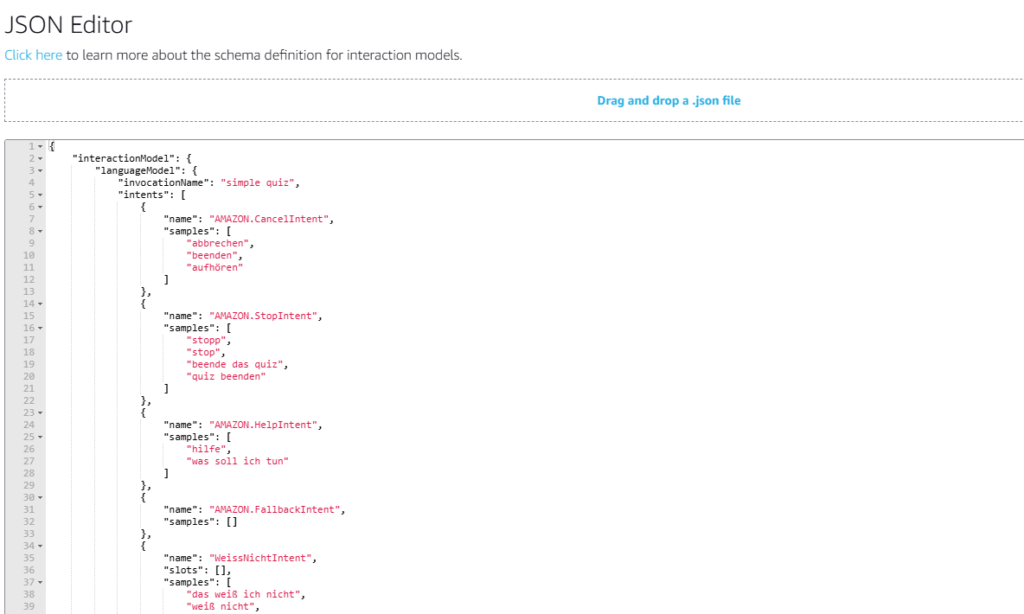
Alexa may feel a bit outdated, and I mostly use it for simple things like “Alexa, open the door” or “Alexa, TuneIn.” But I always had the “dream” to create one day a quiz app based on family questions. With Claude I created a simple quiz app with questions stored in a Google Spreadsheet. It will probably stay in dev mode forever, but we’re having a lot of fun with it because I can add funny questions so easily.
Gym Tracker
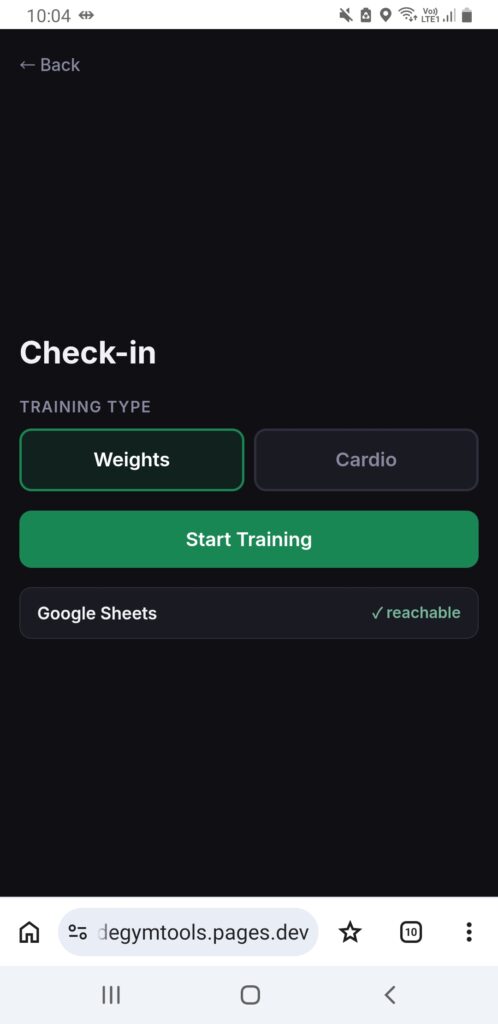
My very first 100% vibe-coding project was a countdown timer web app for the gym. For me, that was the eye-opener: why not replace as many apps as possible with my own tools? It took me a while to replace my gym tracker for check-in and check-out, but now I have a web app where I can start and stop a session, add a few comments, and that’s it. The sessions are stored in a Google Sheet, which I love. No vendor lock-in, just clean data.
Smart Tourism Index
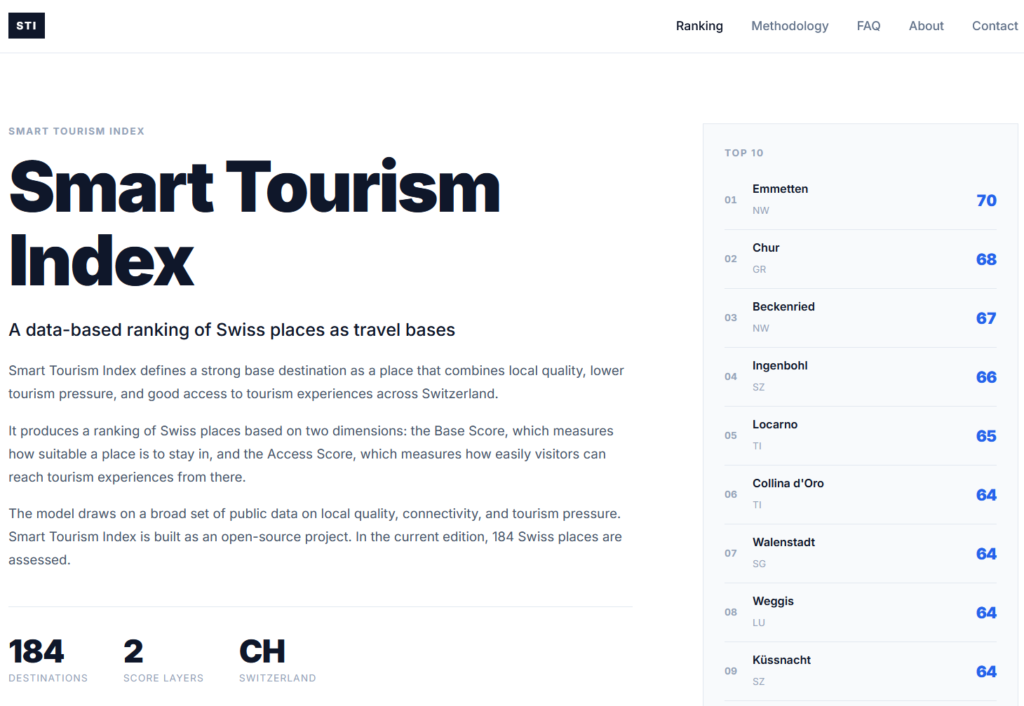
And then, of course, there is my big project smarttourismindex.org, where I’ve made heavy use of AI to build data connectors that merge different public data sources. The goal is to have an index of places in Switzerland that offer great access to points of interest without suffering from overtourism.
This project is a great example of how AI accelerates experimentation. To get to the final result, I had to test many different ways of calculating the values. Without AI, that would have taken me weeks.
That’s it for now. More to come :) Happy coding!